
Architecture Without Architects
When AI Reaches the Client First
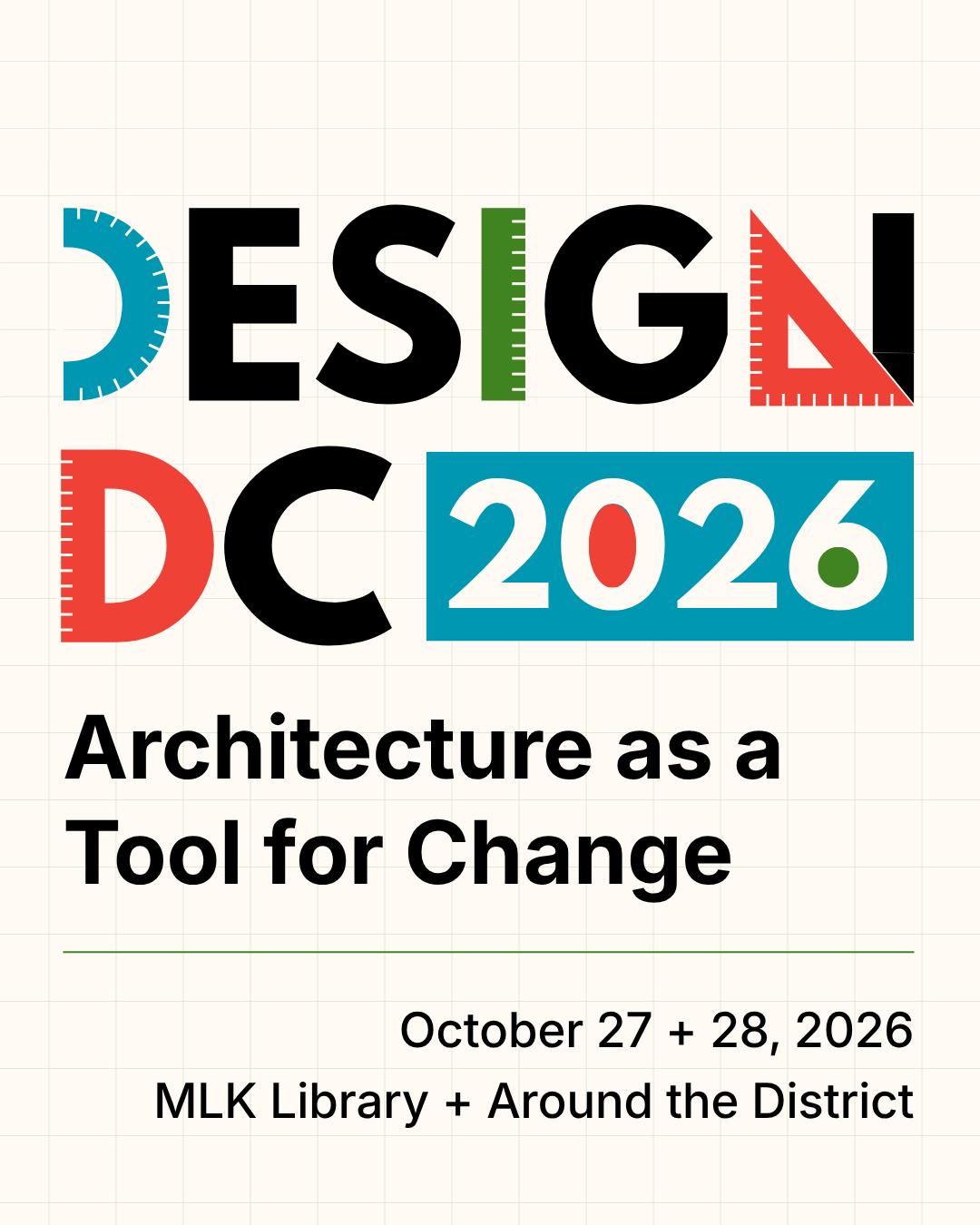
DesignDC 2026 · Hosted by AIA DC
Tuesday, October 27, 2026 · 2:10pm ET
Martin Luther King Jr. Memorial Library · Washington, DC
The profession's conversation about AI has focused almost entirely on how architects can use these tools. This session asks the more urgent question:
What happens when the tools reach the client first, and the client decides the architect is optional?
Two shifts make it immediate: research now finds AI completing 50 to 65 percent of text-based professional tasks at a minimally acceptable standard, including space planning, specification writing, code research, and permit documents, and the U.S. Department of Education's 2025 reclassification of the architecture degree as non-professional, effective July 2026, signals deprofessionalization at the federal level. Where residential work requires no licensed oversight, encroachment is already operational, with contractors and design-build firms marketing AI-enabled design directly to homeowners.
Lombardo presents findings from an unusual research position: a practitioner-researcher and AI educator designing a personal residence as an educated, unlicensed designer, deliberately testing the limits of AI-augmented lay practice using only consumer tools. The case study documents what AI-augmented laypeople can actually produce, where the absence of professional training creates risk AI cannot mitigate, and what that boundary reveals about the profession's irreplaceable contribution.
Because the subject arrives wrapped in dread, the session opens with ten minutes on the staged approach Lombardo uses to help firms and nonprofits integrate AI safely and ethically, so the room examines the evidence from clarity rather than alarm. The second half is a structured discussion: what should licensure advocacy, service design, and public messaging look like when the capability boundary keeps moving?
Attendees leave with a QR-linked resource set containing the evidence base and a discussion guide for their own firms. The RIBA AI Report 2025 finds AI tools already enabling non-professionals to generate domestic plans without oversight; this session examines that jurisdictional shift in the city where jurisdiction is made.
Details
- DesignDC 2026: Architecture as a Tool for Change, hosted by AIA DC.
- Two days: sessions and keynote October 27, building tours across DC October 28.
- Up to 10 CEUs.
- Early Bird registration through September 18, 2026.
- Register here.>
Want this session for your AIA component, chapter, or firm?
Schedule a Discovery Call > to get details.
Ways to Engage
While the primary goal at Luna Lake is to build self-sufficient AI users, we also provide a variety of services and resources to help you accelerate your model. Time is critical. Your needs may surpass your bandwidth. We can help you with that.

Explore Luna Lake's AI Alchemy Fractional Services

Join the Luna Lake Community Group Think