
The AI Antidote
AGREED. AI is AWFUL.
It is also awe-inspiring.
Two books
Many books speak to me, but these two changed me.
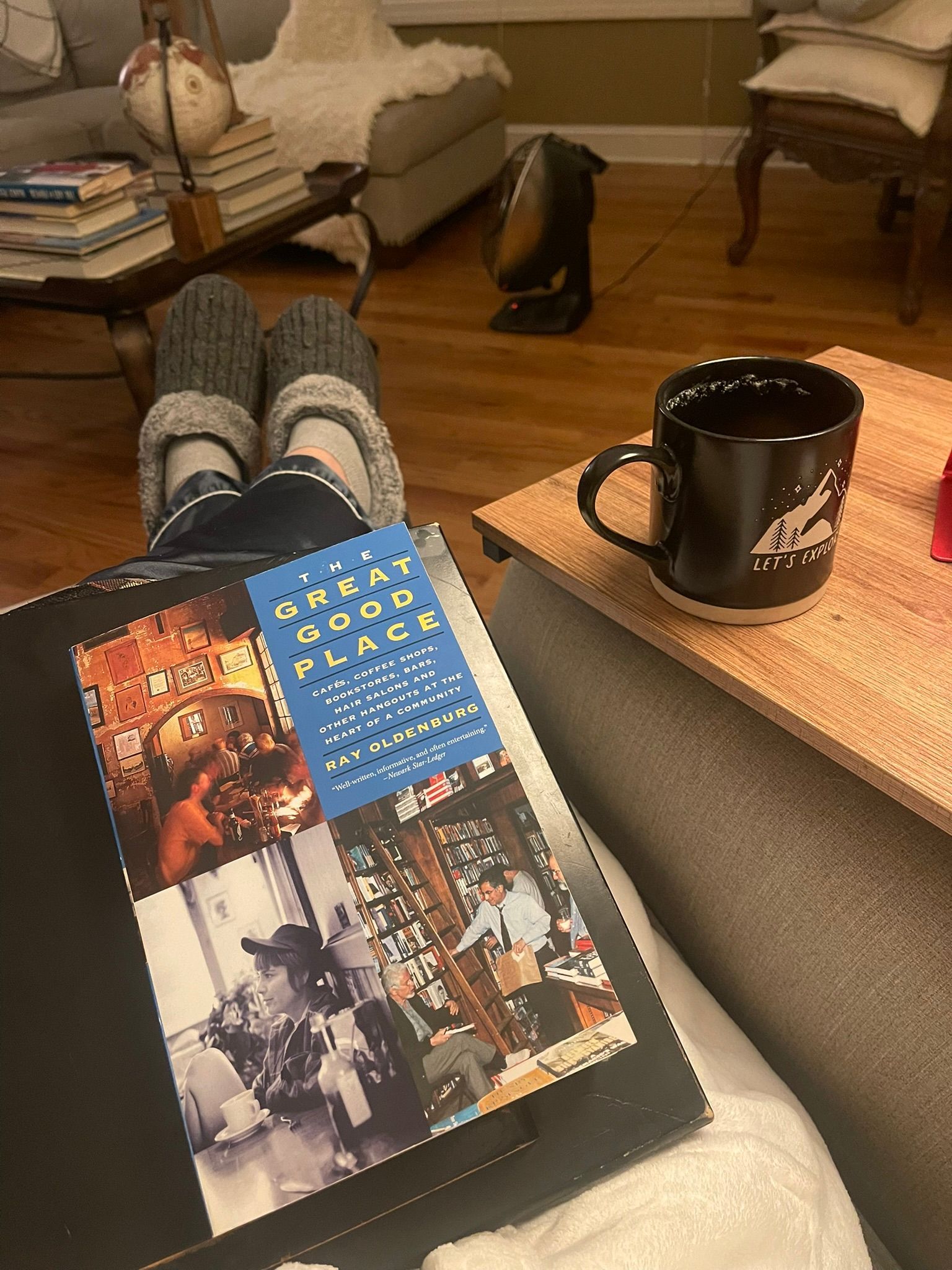
Ray Oldenburg's "The Great Good Place" fundamentally shifted my perspective on small towns, revealing their essential role in fostering community through informal public gathering spaces.
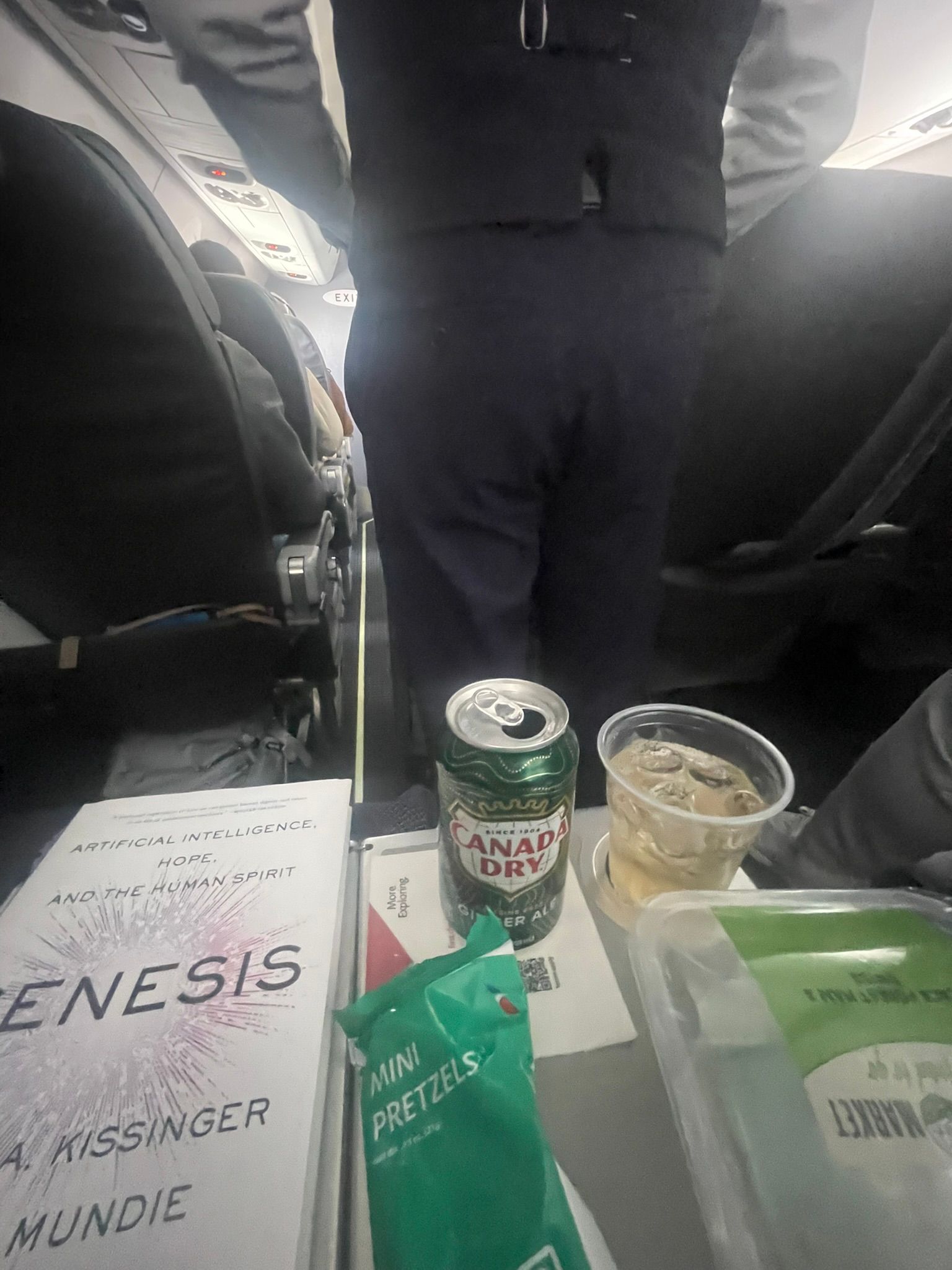
Henry Kissinger's "Genesis: Artificial Intelligence, Hope, and the Human Spirit" provided a crucial framework that helped me navigate and ultimately move through my existential anxieties about the future of AI.
Both would contribute to my career path in profound ways
and fuel this farmgirl to soar.
The AI Antidote: Third Places
In The Great Good Place, sociologist Ray Oldenburg introduces the concept of "third places" to describe informal public gathering spots that exist outside of home (the "first place") and work (the "second place").
These are spaces such as cafés, bars, parks, libraries, community centers, and hair salons where people can gather voluntarily, engage in conversation, and build relationships in a relaxed and welcoming environment. Oldenburg emphasized that third places are accessible, neutral, and inclusive, allowing people from diverse backgrounds to interact on equal footing, free from the hierarchies and obligations of home or work. He argued that these places are essential for fostering community, civic engagement, and democracy, serving as the social glue that binds neighborhoods together and supports a vibrant public life. Oldenburg also outlined key characteristics of third places, including their openness, informality, regular clientele, and the centrality of conversation and laughter.
Ultimately, third places are the AI ANTIDOTE. They are vital anchors of community life, providing a sense of belonging and connection that is crucial for both individual well-being and the health of society as a whole.
When you need to emerge from all of this AI chaos, here are a few more antidotes to start with: